Making a Pumpkin Farm
Environment
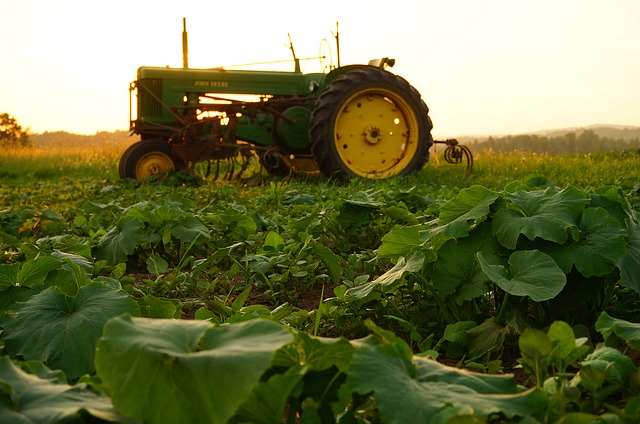
- Pick a site with full sun (to light shade) and lots of space for sprawling vines. Vine varieties need 50 to 100 square feet per hill.
- Pumpkins are big, greedy feeders. They prefer very rich soil that is well-drained and not too soggy. Mix lots of compost and aged mature into the planting site before you sow seeds or transplant
Planting
- Pumpkins do best when the seeds are planted directly in the ground. Plant seeds in rows or pumpkin hills, which are the size of small pitcher mounds. This helps with drainage and pest control.
- Plant the seeds 1 inch deep into the hills (4 to 5 seeds per hill). Space hills 4 to 8 feet apart.
Caring for your seeds
- Pumpkins are very thirsty plants and need lots of water. Water one inch per week. Water deeply, especially during fruit set.
- When watering: Try to keep foliage and fruit dry unless its a sunny day. Dampness will make rot and other diseases more likely.
- Remember that pumpkins are tender from planting to harvest. Control weeds with mulch. Do not overcultivate, or their very shallow roots may be damaged.
- Your plants should germinate in less than a week with the right soil temperature (70 degrees F) and emerge in 5 to 10 days.
- When the plants are 2 to 3 inches tall, thin to 2 to 3 plants per hill by snipping off unwanted plants without disturbing the roots of the remaining ones.
- In rows, sow seeds 6 to 12 inches apart in rows 6 to 10 feet apart. Snip off plants to thin to one plant every 18 to 36 inches
Why aren't they growing!
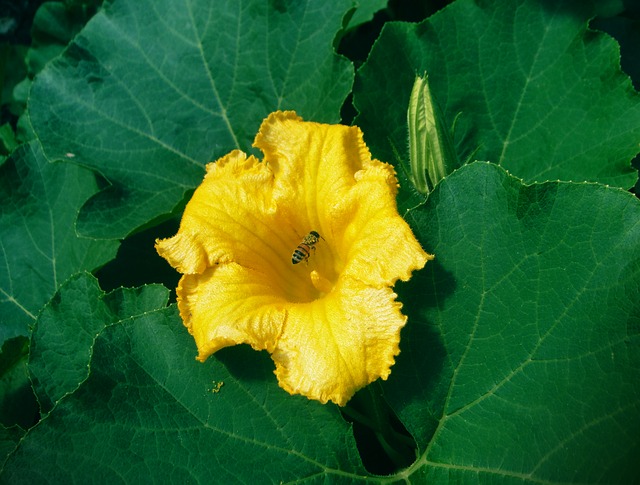
- If your first flowers arent forming fruits, thats normal. Both male and female blossoms need to open. Be patient.
- Poor light, too much fertilizer, poor weather at bloom time, and reduced pollinating insect activity can negatively impact fruit set.
- If you get a lot of vines and flowers, but no pumpkins, you need more bees in your garden to pollinate the flowers. Grow some colorful flowers next to your pumpkin patch this year and you may get more bees and butterflies!